Before you pick up the phone to book a bird-proofing job, there’s a short list of things worth sorting out first. A little preparation means the installer arrives knowing what they’re walking into, the quote reflects the actual work, and you avoid the back-and-forth that drags a simple job into a drawn-out one. None of it takes long, and most of it you can do from the ground on a dry afternoon.
Inspect the Roofline from the Ground
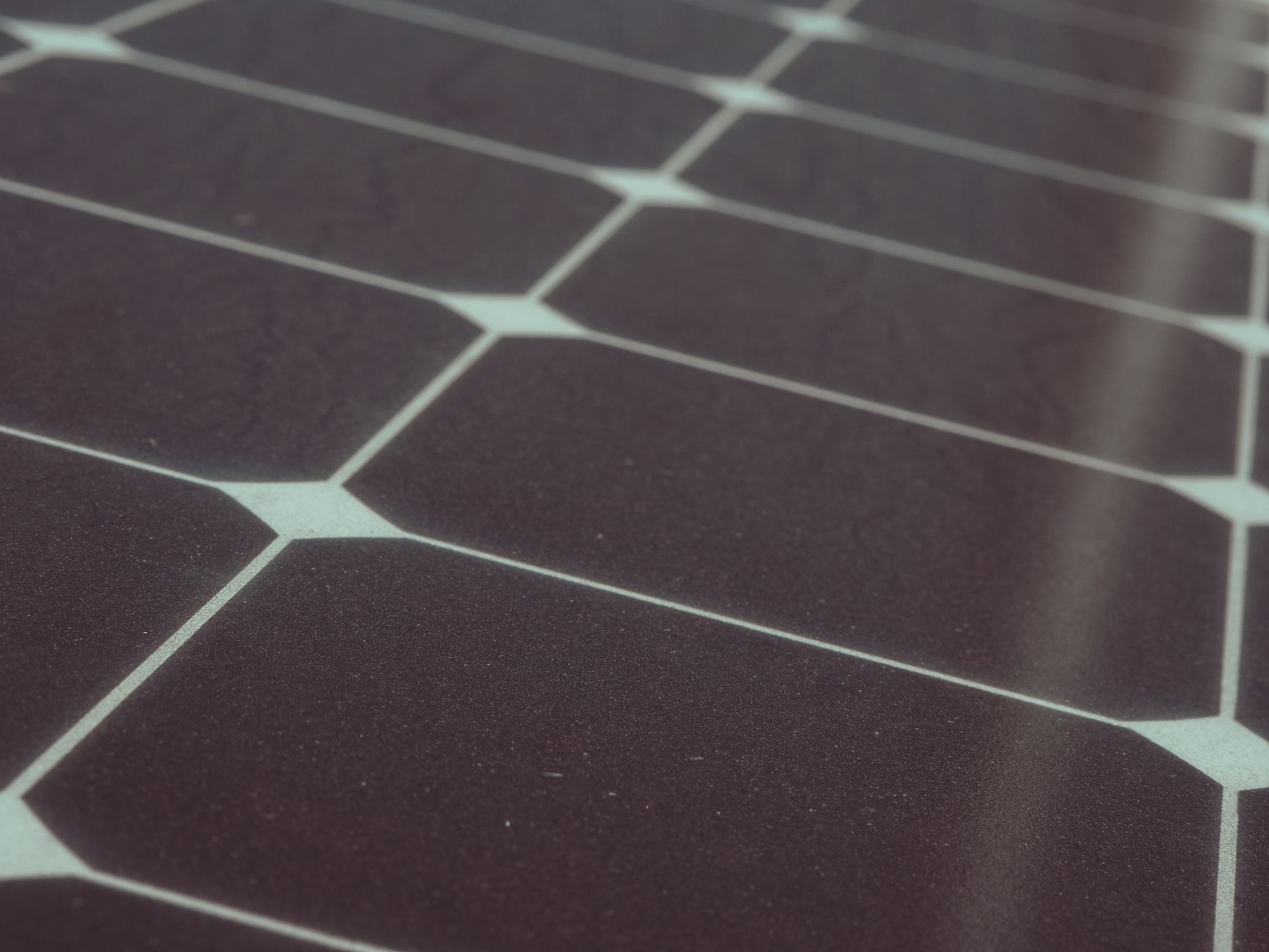
Stand back far enough to see the whole run of panels and look along the gap between the panel edge and the tiles. Droppings streaked down the tiles, scattered feathers, and loose nesting material poking out from under the array are the obvious signs. Birds coming and going at dawn or dusk are another giveaway. Use a phone camera with zoom, or a pair of binoculars, to check the corners where the mounting brackets sit, as that’s where pigeons usually tuck in.
Make a few notes while you’re at it. How many panels are affected, which elevation they’re on, and whether you can hear scratching or cooing from inside the loft. A roof that faces the street in a terraced part of Exeter is a different proposition from a detached house with a steep rear pitch, and the more detail you can give, the tighter the estimate.
Gather Your Panel and Installation Paperwork
Dig out the documents from when your system was fitted. The installation certificate, the panel make and model, and any warranty paperwork all matter, because mesh and clips must be fixed without voiding the manufacturer’s cover or damaging the frames. If you know the panel dimensions and how many rows there are, that helps whoever is quoting work out roughly how much perimeter mesh the job needs.
It’s also worth confirming who installed the array and whether that firm is still trading, in case any later dispute over the roof comes up. Once you have the paperwork to hand, you can have a sensible conversation with a specialist in solar panel bird proofing in Exeter about the right fixing method for your specific panels rather than a generic approach. Clear information up front keeps the whole thing straightforward.
Budget for the Job and Any Add-Ons
The core work is fitting a barrier around the panel perimeter so birds can’t get beneath. But if there’s already an established infestation, you may need more. Nest and debris removal, a wash-down of the fouled panels and tiles, and sometimes minor repairs to tiles the birds have dislodged can all add to the bill.
Panels caked in droppings lose output, so a clean often pays for itself over a season. Ask whether proofing and cleaning can be done in the same visit, since combining them usually works out cheaper than two separate call-outs and saves setting up access twice.
Choose the Right Specialist for solar panel bird proofing in Exeter
Look for someone who works on solar arrays specifically, not a general pest firm bolting mesh on as a sideline. They should carry the right insurance, work safely at height, and be happy to explain how the mesh is clipped rather than screwed into your frames. Ask to see photos of past jobs on roofs similar to yours.
A good specialist will also talk honestly about what the barrier won’t do and how long it should last. Local knowledge of the typical roof styles around the city is a bonus, as it means fewer surprises on the day.
Clear Access and Schedule Around the Weather
On the day, the crew needs room to set up a ladder or tower safely. Move cars off the drive, unlock side gates, and clear anything stored against the wall beneath the array. If parking is tight on your street, a word with the neighbours in advance avoids a scramble.
Weather matters too. Working at height on wet or icy tiles is dangerous and slows everything down, so flexible dates give the installer room to pick a dry, calm window. A morning slot often works best.
Know What to Ask Before You Commit
Before you sign anything, confirm the quote is fixed rather than a rough guide, and ask what happens if extra work turns up once the panels are lifted. Check whether there’s a guarantee on the barrier, how long it runs, and what it covers.
Ask how long the job will take, whether they’ll clear away the old nesting material, and what maintenance keeps the system in good shape afterwards. With the groundwork done, your array should be protected well before the next nesting season begins.